
Aspiration and Reality in the German Education System
Public expectations of the German education system are high – but reality often falls short. An analysis of the Allensbach survey of 2024.
Sina Schriewer3 min read
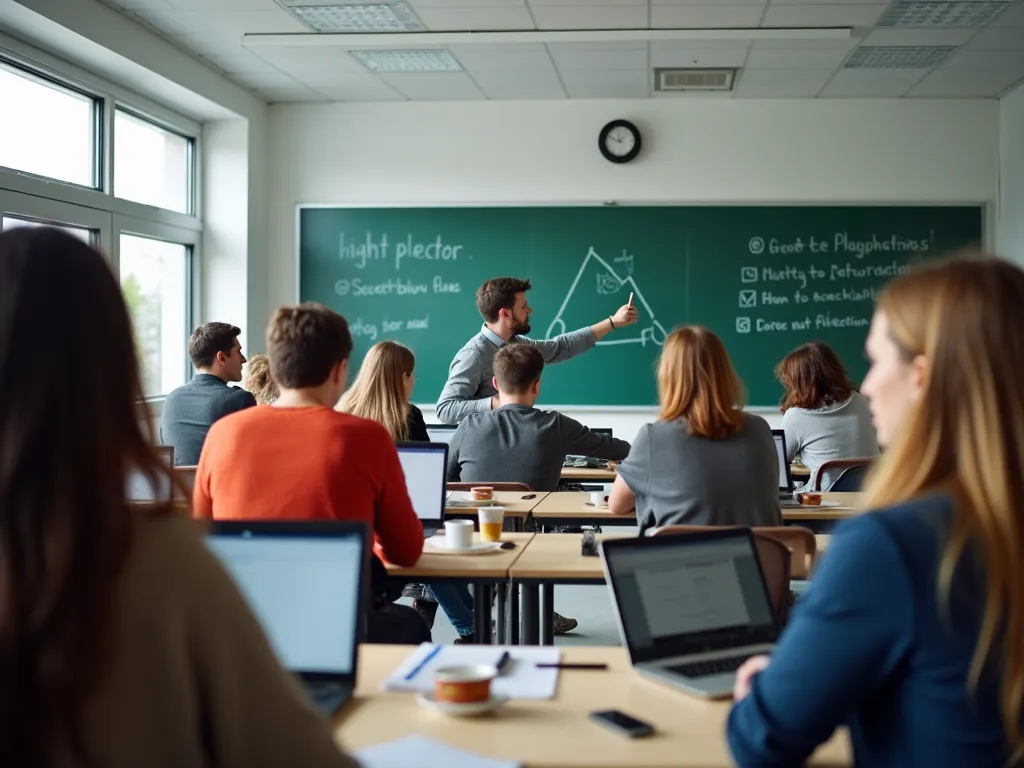
Education is one of the central topics in public debate when it comes to Germany's future. In Germany, education policy is set by each of the 16 federal states, so national standards and consistency remain an ongoing policy challenge. A representative survey by the Allensbach Institute for Public Opinion Research, conducted in July 2024, makes clear that the public has high expectations of the education system – but that reality often falls short of those expectations.
The importance of education
For the majority of Germans, education is a key factor for the country's future. 79 percent of respondents consider the training of qualified professionals to be decisive for long-term security. An excellent education system ranks second among the most important factors for the future. At the individual level, too, the public places great importance on education: 92 percent of respondents are convinced that personal prospects depend strongly on level of education.
Aspiration: equal opportunity and modern facilities
The survey results show that citizens have very clear ideas about what a good education system should deliver. First and foremost is the demand for equal educational opportunities for all children, followed by well-trained teaching staff and good school facilities – including learning materials and digital technology. These requirements reflect the aspiration that education in Germany should not only be of a high standard, but also fair and oriented toward the future.
Reality: a critical verdict
Despite these high expectations, Germans are increasingly critical of the current education system. The share of those who rate the system positively has fallen sharply in recent years – from 70 percent in 2018 to just 49 percent in 2024. The gap between aspiration and reality is particularly stark when it comes to digital infrastructure: while 79 percent of citizens consider good technical facilities indispensable, only 11 percent believe this requirement is being met in Germany. A similar pattern applies to preparation for working life: 73 percent expect schools to provide solid preparation, but only 11 percent believe this is actually being achieved. Equal educational opportunities for all children – a core public aspiration – also remain a major area of concern: 91 percent consider them necessary, but only a fraction believe they are being realized in practice.
The call for political action
Given this discrepancy, it is not surprising that the overwhelming majority of the public believes that politics must engage more strongly with the issue of education. 80 percent of respondents are convinced that education does not receive the political attention it deserves. The call for greater commitment and concrete reforms is therefore loud and clear.
Conclusion: a broad field for reform
The survey illustrates how high public expectations of the education system are and how far reality often falls short of them. There are clear deficits that need to be addressed to meet people's wishes and needs. This is particularly striking given how dedicated the people working in schools are – school leaders, teachers, social workers, and extended-day staff. Yet they quickly reach the limits of what is possible and need political support to obtain the freedom and scope to meet the challenges of the future. Germany cannot afford to continue falling short of expectations in such a central issue as education.
Source: Allensbach survey 2024
Related insights
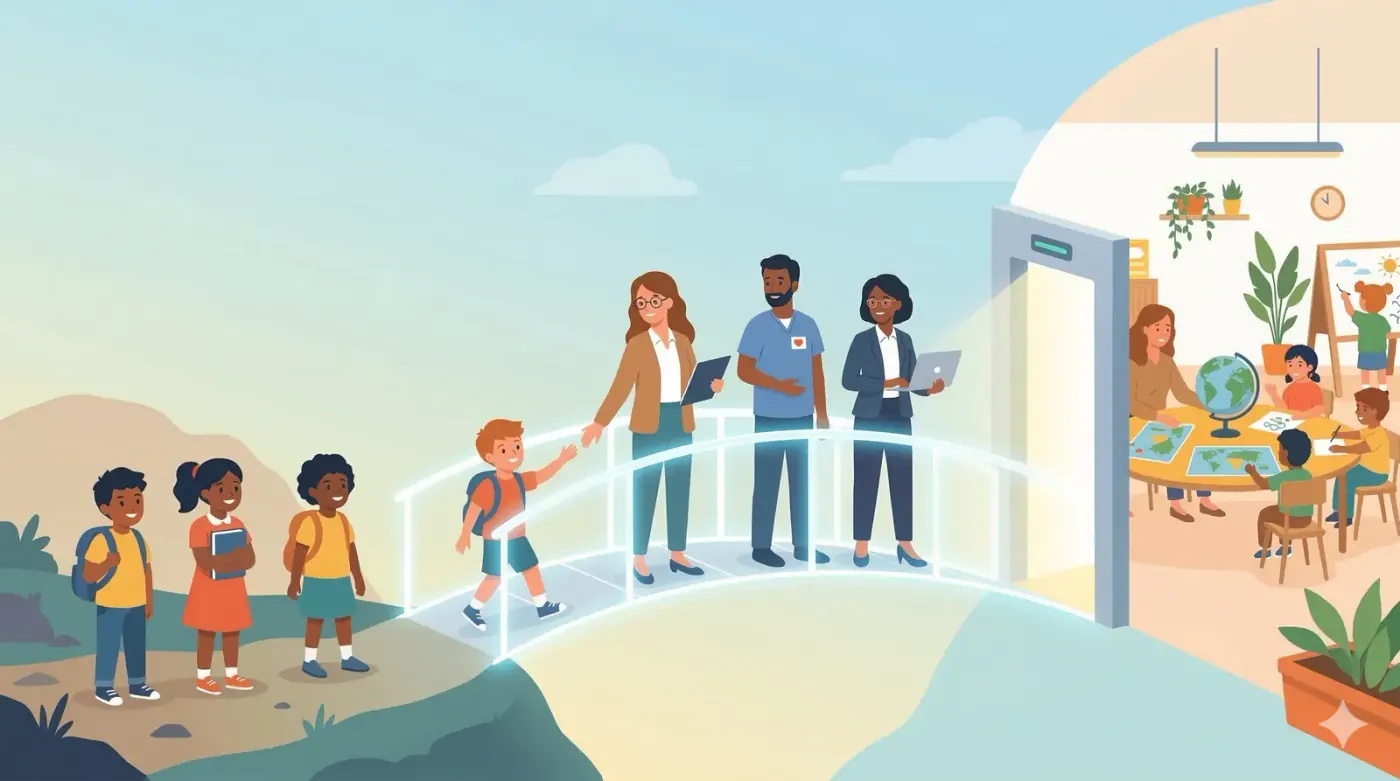
Educational Opportunity in Germany Still Depends on Background
Social background still determines children's educational paths in Germany. A study by the Leibniz Institute for Educational Trajectories shows how educational inequality develops — and identifies three levers we need to move now.
Sina Schriewer4 min read
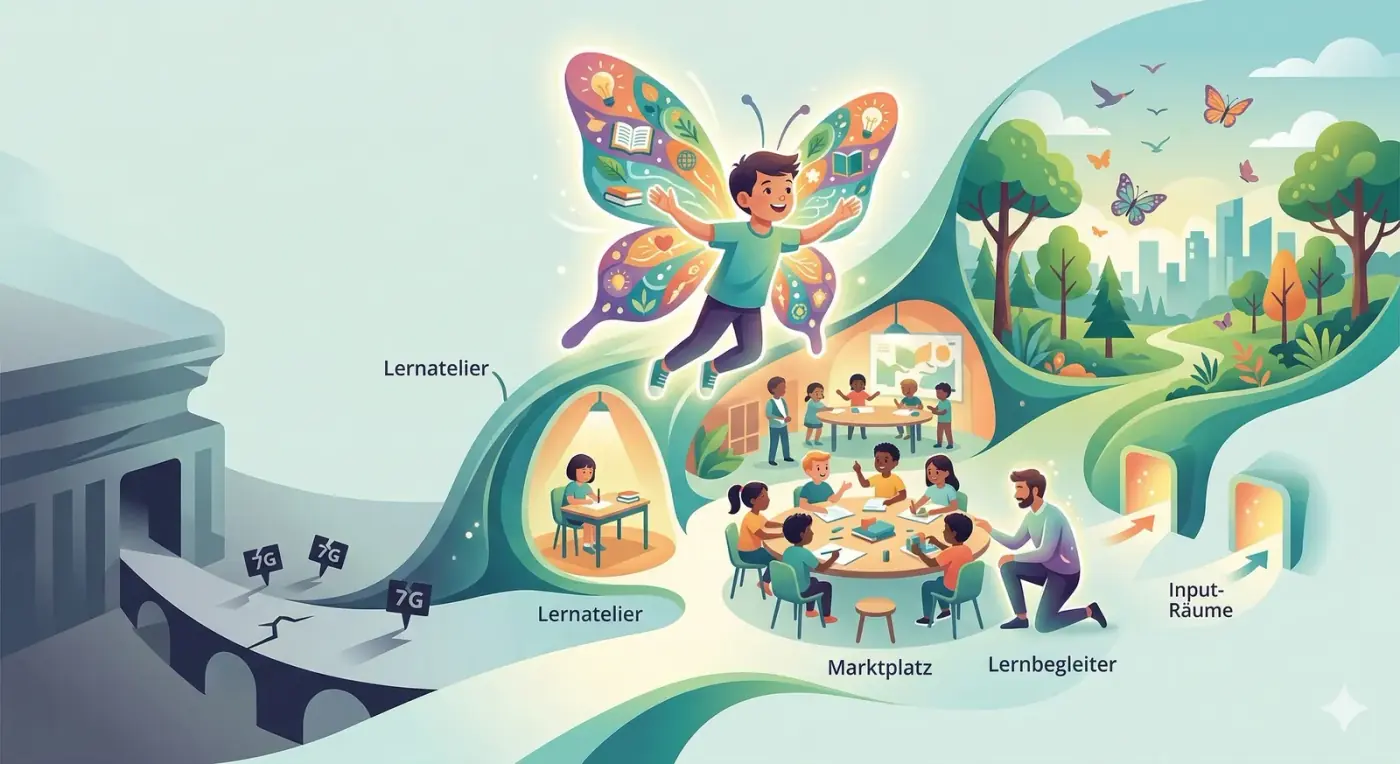
Rethinking school: The wingbeat of Butterfly Pedagogy
Stefan Ruppaner and the Alemannenschule Wutöschingen show how self-directed learning can work. Butterfly Pedagogy breaks open the rigid 7G model and makes children active participants in learning.
Sina Schriewer4 min read
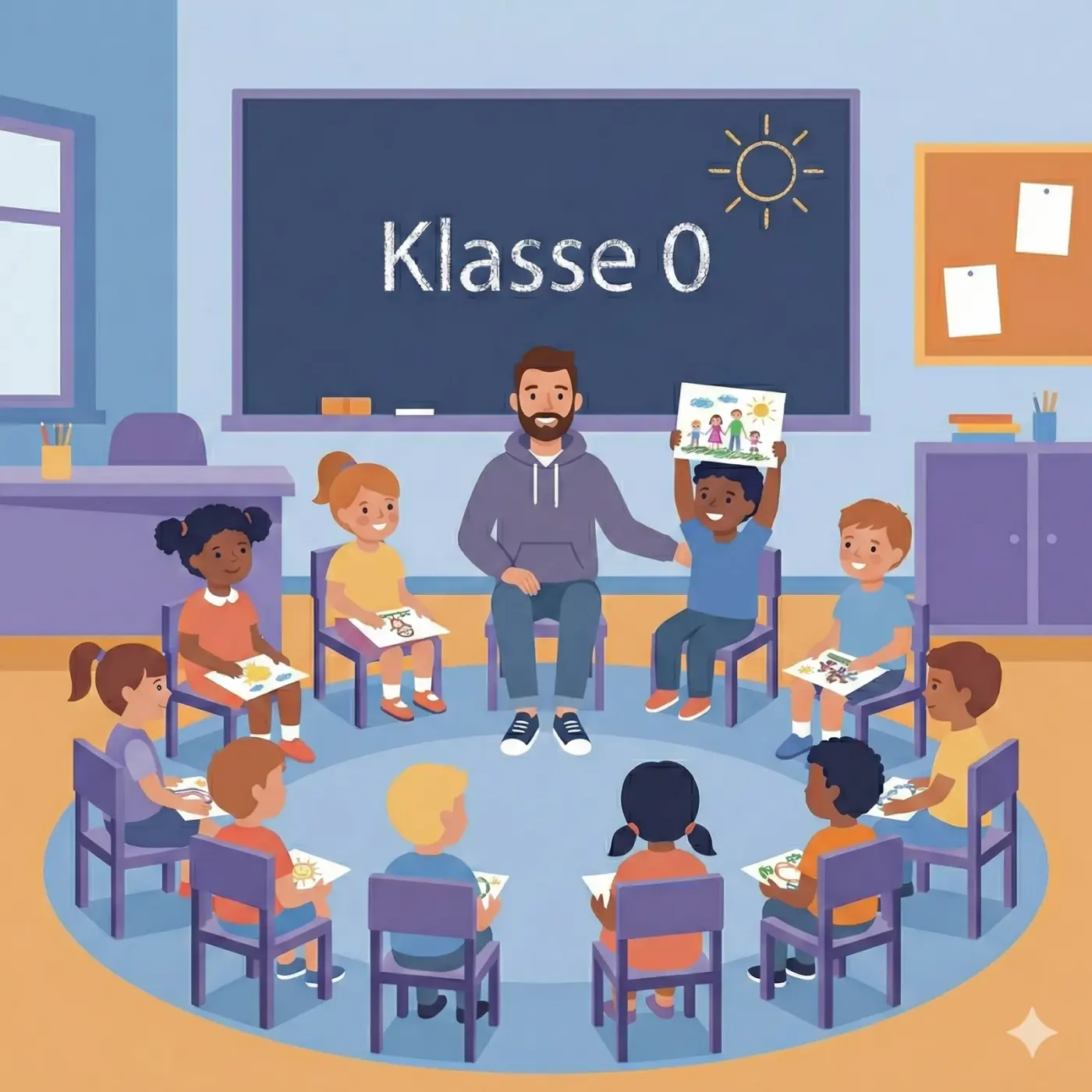
Class 0: A New Approach to School Readiness
More children are entering school with developmental delays. The nationwide Class 0 program provides targeted support to children with additional needs before they start school.
Sina Schriewer2 min read