
The Path to Deep Learning Online
Discover what genuine learning looks like in a world of "education snacks" and why in-depth knowledge matters more than ever. From dopamine traps to the Deeper Learning model – a few thoughts on acquiring lasting knowledge.
Björn Schriewer3 min read
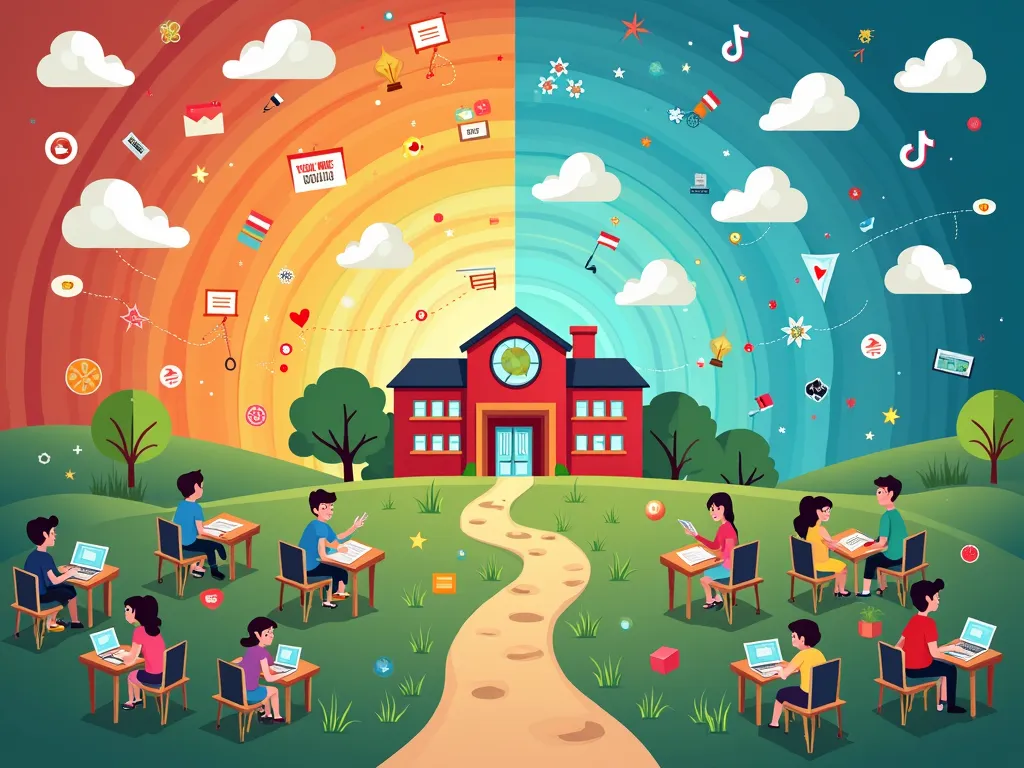
At a time when short videos and quick information from the internet shape the educational lives of many young people, the role of school as a place for in-depth learning is growing in importance. While internet content often conveys only surface-level knowledge, school offers the unique opportunity to engage with topics intensively and across subject boundaries.
The strengths of school-based learning
At school, students have the opportunity to look at a topic from multiple perspectives and grasp it in all its complexity. Take climate change as an example: students can not only work out the scientific foundations in natural science lessons, but also discuss the social and economic impacts in social studies, draw historical parallels in history class, and develop creative solutions in art or technology lessons.
This kind of connected learning fosters not only a deeper understanding of the topic, but also important skills such as critical thinking, problem-solving, and the ability to recognize connections. It corresponds to the Deeper Learning model described by Anne Sliwka, which focuses on developing core competencies such as mastery of core knowledge, critical thinking, effective communication, and self-directed learning.
The contrast with internet-based learning
By contrast, much internet-based content offers only superficial learning. Short videos on platforms like YouTube or TikTok promise fast learning, but rarely provide the depth and breadth needed for genuine understanding. They are comparable to "vegetable chips of education": appealing, but low in substance.
This kind of surface-level learning may be briefly satisfying – similar to the dopamine release from quick wins – but it rarely leads to lasting knowledge or the ability to apply what has been learned in different contexts.
The challenge for schools
The challenge for schools is to create learning environments that harness the advantages of deep, cross-disciplinary learning while also fostering students' motivation and engagement. This can be achieved through project-based learning, cross-subject teaching units, and the integration of technology as a tool for deepening learning.
Schools should create space for reflection and the practical application of what has been learned. Discussions, presentations, and work on real-world problems can help students actively process their knowledge and learn to apply it in different contexts.
Conclusion
In a world where surface-level knowledge is just a click away, the ability to engage in deep, connected learning – cultivated at school – becomes a decisive advantage. By creating learning environments that enable intensive, cross-disciplinary engagement with topics, schools prepare students not only for academic challenges, but also for the complex demands of the modern world of work and society.
The journey of deep learning may be challenging, but the rewards – in the form of genuine understanding, personal development, and the ability to solve complex problems – are immeasurably valuable. In a world defined by fast-moving information, the ability to truly understand something and think critically becomes not only a personal advantage, but a social necessity.
Related insights

AI in Schools 2026: Better Models, Better Education?
New AI models are growing more capable, but better education only emerges through clear frameworks, pedagogical responsibility, and the right deployment scenarios.
Björn Schriewer7 min read
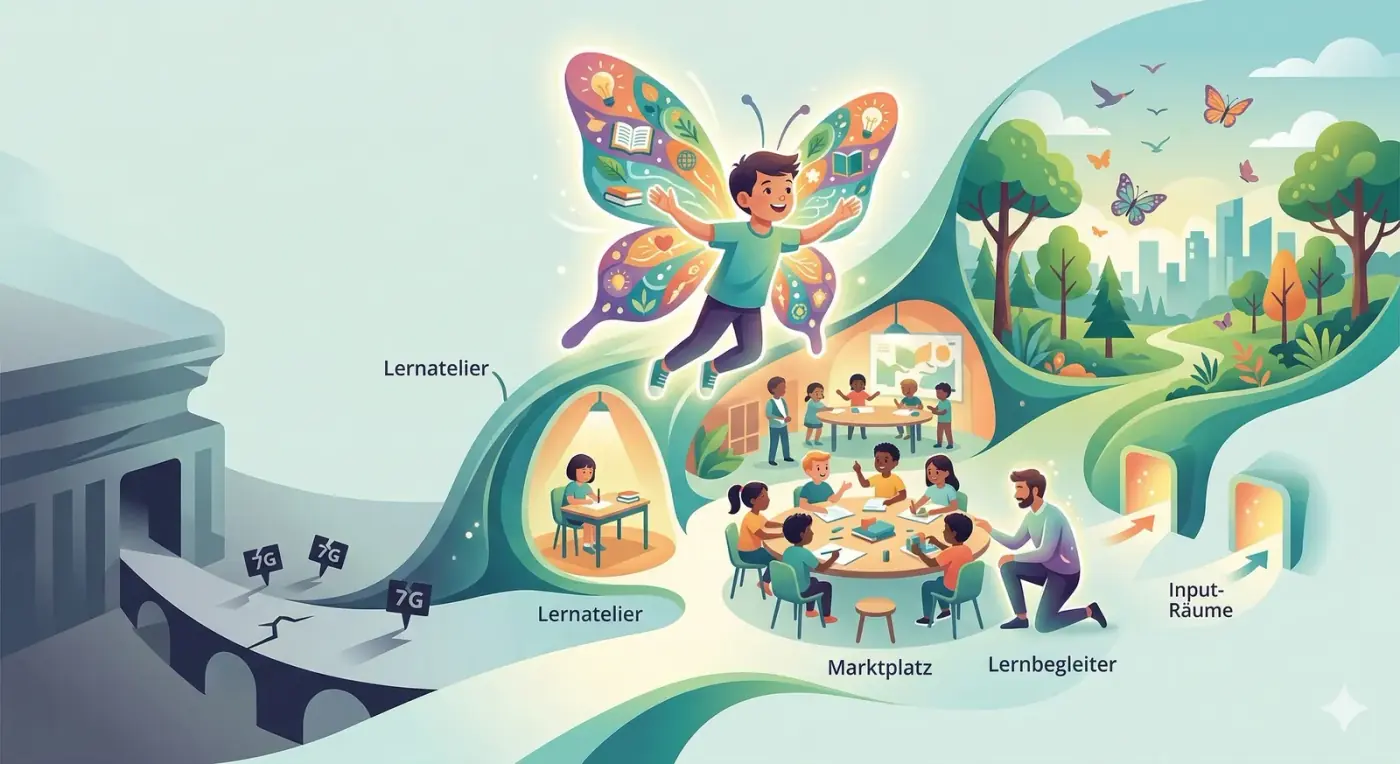
Rethinking school: The wingbeat of Butterfly Pedagogy
Stefan Ruppaner and the Alemannenschule Wutöschingen show how self-directed learning can work. Butterfly Pedagogy breaks open the rigid 7G model and makes children active participants in learning.
Sina Schriewer4 min read
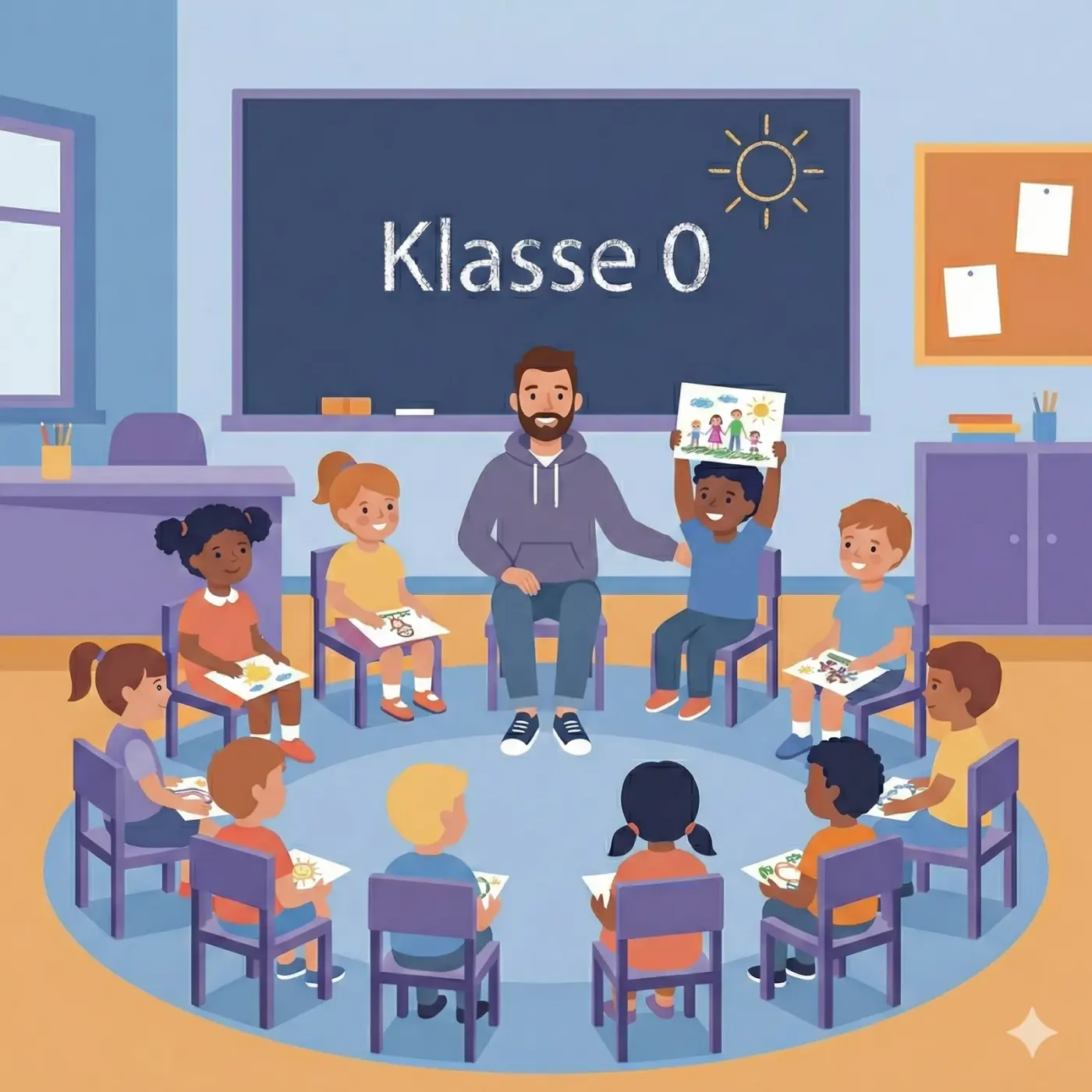
Class 0: A New Approach to School Readiness
More children are entering school with developmental delays. The nationwide Class 0 program provides targeted support to children with additional needs before they start school.
Sina Schriewer2 min read